Showing posts with label swale. Show all posts
Showing posts with label swale. Show all posts
13 October 2011
Swale Update
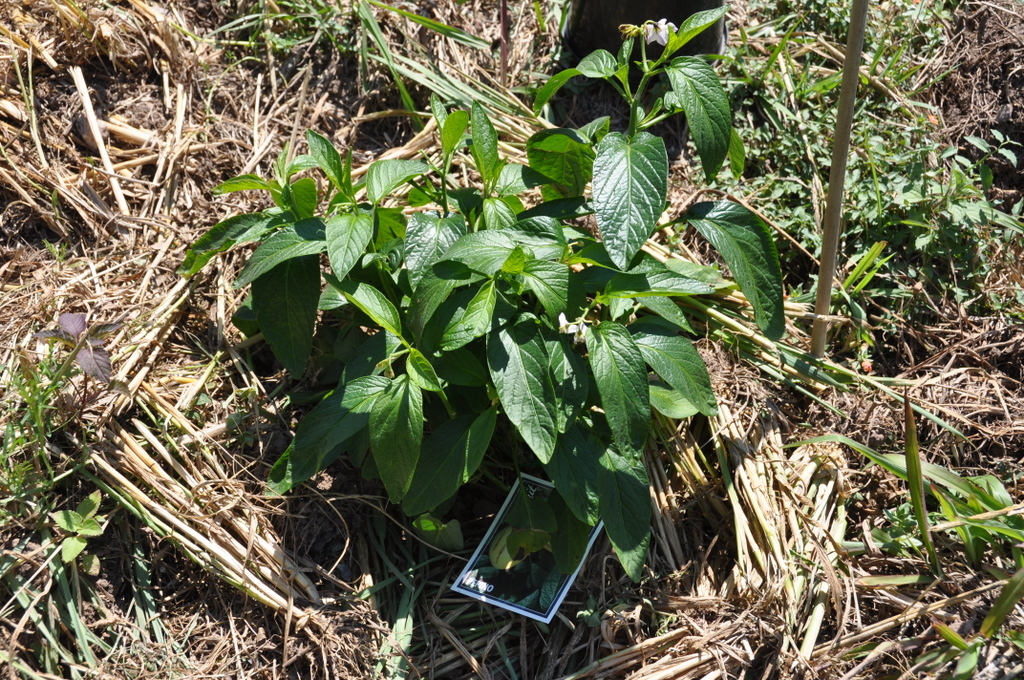
You may remember earlier in the year that we dug four swales in on the north slope and planted a range of fruit trees. At the same time, we planted a cool climate green manure of wooly vetch and oats to cover the ground and nitrogenate the soil. And as they grew, they became our mulch with a few rounds of 'choppping and dropping'. Well, we've just undertaken the second phase. We did another 'chop and drop', then planted a warm climate green manure of mung beans and japanese millet. We've also got some ground cover coming up in the form of sweet potatoes. I planted some pumpkin and butternut seeds as well, so hopefully they shouldn't be too far behind. Another nice bush that will act as a ground cover is pepino, so that's gone in as well. And lastly, I went to the local native nursey and got a big tray full of nitrogen fixing native to act as my pioneering species. These really should have gone in at the same time as the fruit trees, but given I'm not yet living on the property full time, I just do what I can, when I can. So here are a few pics of our emerging food forest.


24 July 2011
Swale update
After we planted the four swales, one for nuts, one for avocados, one for tropical fruit and the last for citrus, we sowed in a winter green manure crop of oats and wooly pod vetch. Its had several months to grow and is now starting to look good. We'll be chopping and dropping soon to put some additional nutrients into the soil in the orchard. The swales have been doing thier job of collecting and slowing down water on the slope as well.


24 April 2011
Swales
Last week we had someone come in to dig some swales for us. The purpose of the swales is to slow the water down as it comes down the slope and capture it in "channels". Then on the low side of the swale, you plant your fruit trees so that when it rains, the water collects in the channel and seeps into the ground underneath the fruit trees, rather than it just washing off down the slope. So slopes become more productive and orchards can be more effectively watered. You start by finding the contour lines on which you'll dig the swales. We used a laser to map them out and then Ben (from Yards) dug them as marked.


Subscribe to:
Posts (Atom)